

AI adoption in UX and UI design is growing fast, but whether it can fully replace human designers remains contested. The short answer is no. While AI brings genuine speed, accuracy, and personalisation benefits, it cannot replicate the human touch that makes a user experience truly excellent. The best results come from pairing AI's analytical power with human empathy and creative judgment.
Will AI Replace Human Designers Anytime Soon?
Designers possess unique abilities that AI simply cannot match. They synthesise cultural relevance with user demands to create work that resonates emotionally. Designers have superpowers when it comes to understanding what people want, need, and love, and that intuition stems from lived human experience, not pattern matching.
AI currently lacks the emotional intelligence required for truly innovative design. While AI can generate ideas and offer recommendations, understanding the context of a design requires a human touch that cannot be replicated by a machine.
Rather than replacing jobs, AI will likely create new employment opportunities. It serves as a facilitator for human work, not an obsolescence threat.
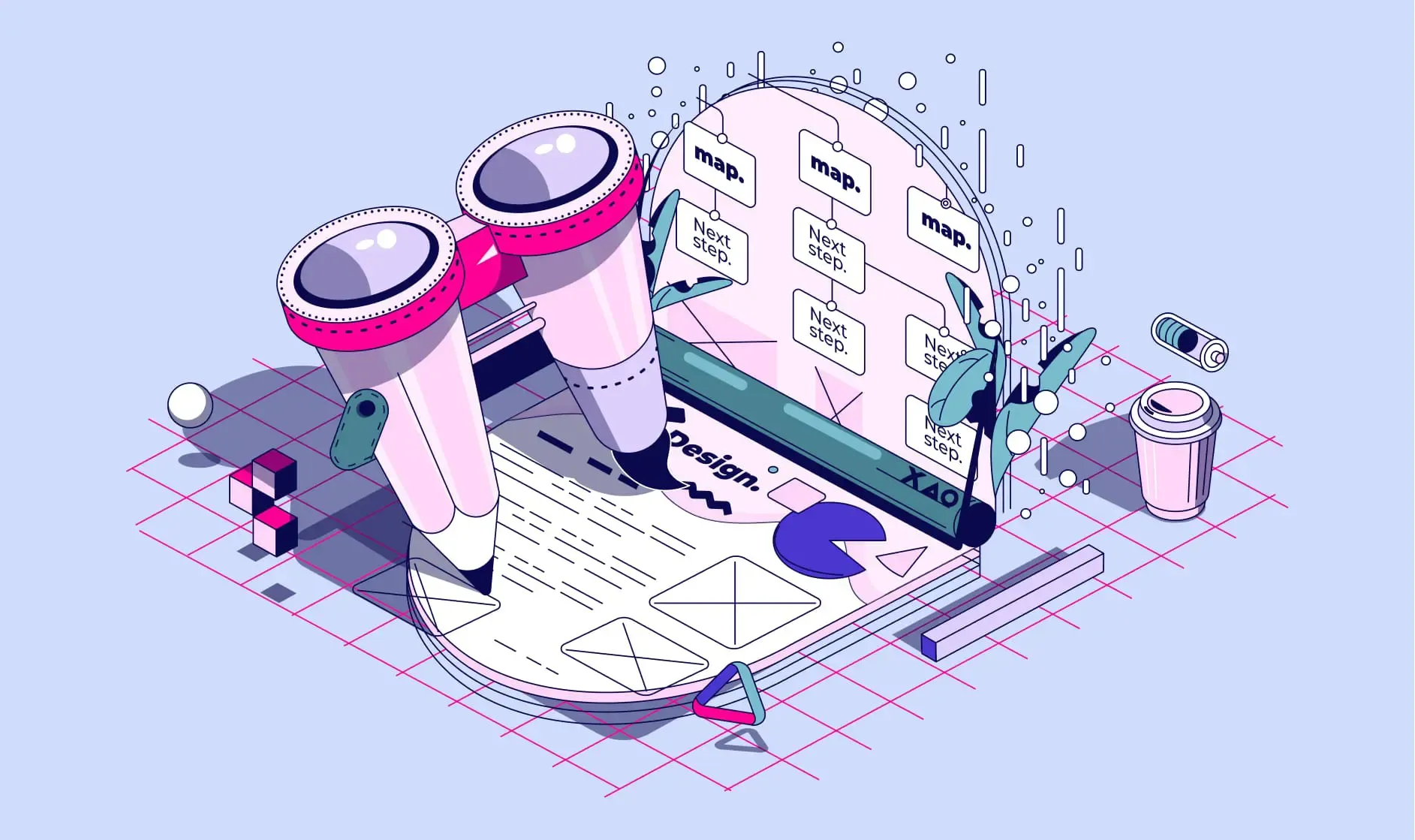
How AI and Humans Can Work Together
Empathy, the cornerstone of UX design, remains fundamentally human. Understanding human needs and creating products that enhance daily experiences requires a sensitivity that machines cannot replicate. Used well, AI handles the heavy data lifting so that designers can focus on the things that matter most: meaning, emotion, and experience.
AI Collects and Analyses User Data Efficiently
AI algorithms can process massive datasets rapidly. They predict user behaviour, track engagement, and identify patterns across thousands of data points. AI can help UX designers make sense of all that data in record time, enabling informed design decisions that remain genuinely centred on users.
Writing for UX and Product Development
Beyond numerical analysis, AI excels at content creation. AI-powered writing tools generate meaningful, search-optimised copy. By suggesting words based on context, they ensure content stays relevant and audience-focused, a valuable assist for product teams shipping at speed.
Data-Driven User Personas
AI eliminates much of the guesswork around user preferences. Tools like Smartone analyse social media conversations and convert them into actionable insights. Designers can layer these insights on top of existing profiles to craft richer, more accurate user personas.
Streamlining Through Automation
AI-driven automation removes repetitive tasks, freeing designers for creative work. AI is capable of assembling design elements, adapting to new environments, and helping designers generate new ideas more quickly than ever before. Real-time analytics identify improvement opportunities as they emerge.
AI for UI Design and Branding
AI tools simplify interface creation. From colour pickers to typeface choices, AI-powered systems help designers achieve polished, professional aesthetics without excessive manual effort, raising the floor on quality across a project.
In Summary
AI functions as a design ally, not a replacement. It transforms raw data into insights, improves persona development, automates workflows, and assists with aesthetic decisions. But AI is a valuable sidekick; it will not replace the human touch that makes great designs genuinely great.
At Putti, we combine AI capabilities with human creative expertise through our UX and design services to deliver memorable user experiences. Get in touch to talk through how we can bring that balance to your next project.