
Rescue or take over

Replace legacy SaaS with software built for you

For NZ businesses paying more and more for software that fits less and less

Stop renting tools you've outgrown

Software built around how you work, not the average customer.

Putti replaces ageing, expensive SaaS platforms with custom software built around how New Zealand businesses actually work. From our Auckland office we map what you pay for, what you use and what you've worked around, then build the replacement in stages, with the old system running until you're confident and no more paying per seat.

Book a discovery call →
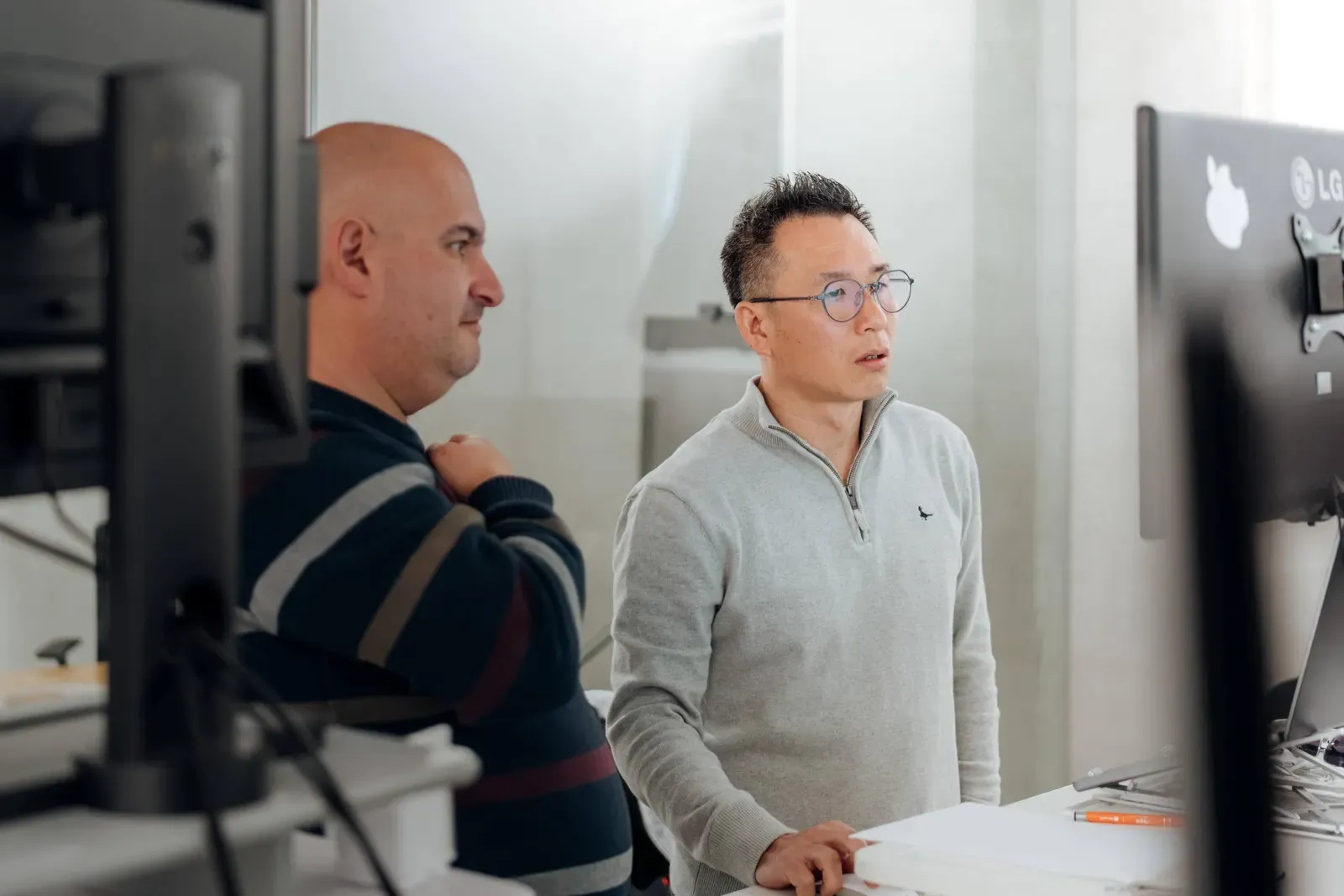
Two Putti engineers reviewing a client system together at a monitor

Three ways to replace it

You don't have to replace everything at once. Most businesses start with the part that hurts and go further only if the numbers justify it.

  • Add a layer

    Keep your core system and build a custom customer portal or operations tool for the part that hurts.

  • Replace one module

    Swap out the piece that costs the most or fits the worst, and keep the rest running as it is.

  • Full replacement

    Move everything across, with the new system running alongside the old until you're confident.

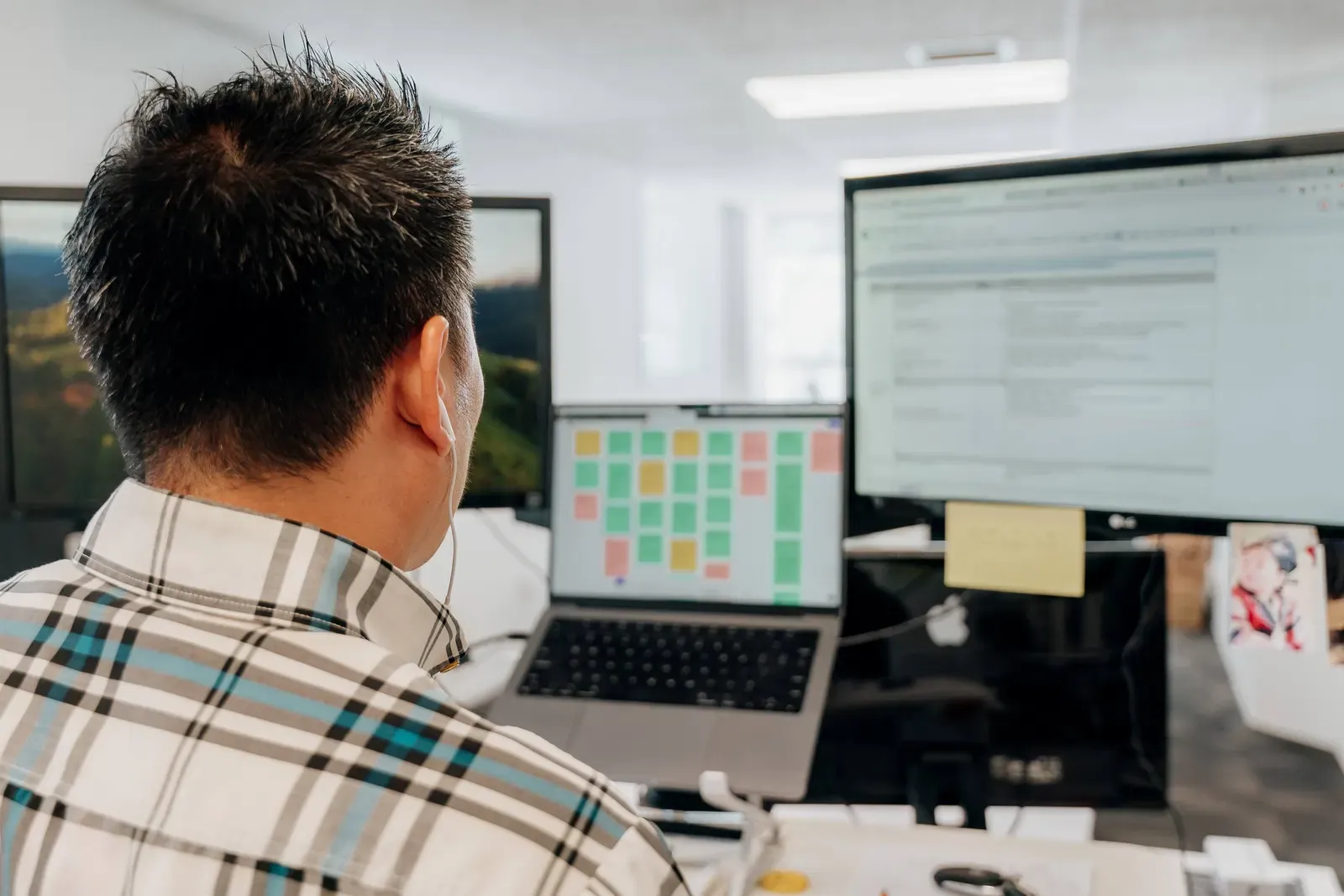
A Putti developer working through a task board and a spreadsheet of workarounds

When to call Putti

We listen first, then get to work. Get in touch when:

  • Licence costs are high or climbing while the fit gets worse.
  • Your team has built workarounds to make the tool function.
  • Parts of your process now run outside the system, in spreadsheets or email.
  • The features you need aren't coming from the vendor.
  • A renewal is coming and you want to know what a replacement would cost.

Before you sign another renewal, it pays to price both options properly. Putti's SaaS replacement work for New Zealand businesses starts with the numbers most teams never put side by side: what the platform costs over five years, and what a custom replacement built in Auckland would cost and leave you owning.

Renew or replace: what does each cost over five years?

Most teams only ever see the first column.

Cost over 5 yearsKeep your current SaaSCustom replacement
Licences (users x price x annual increases)Rises with every renewal and every new userNone per user
Add-on modules and integration feesOften charged on topBuilt in where needed
Staff time lost to workaroundsOngoingDesigned out
Build costNoneOne-off, scoped and priced up front
Hosting, support and updatesIncluded in the licenceOngoing, sized to the system
What you own at the endNothingThe software and your data

When is it time to replace, not renew?

You don't need to rip out every tool you own. Three things tend to show up together.

The first is fit. Vertical SaaS is designed for the average business in your category, and if the people doing the work have built a set of habits just to get around it, the tool is costing you more than the invoice says.

The second is price. Plenty of platforms feel cheap in year one, then get dearer as they age or as your team grows. When the renewal quote looks out of proportion to what you actually use, that's a signal.

The third is direction. Every vendor builds what's valuable to them, and their roadmap won't always follow yours. One of these is worth watching. Two or three means moving on is overdue.

How does a replacement run?

We're not talking about rebuilding Xero or Microsoft 365. We mean the narrower, more specialised tools: the platform that was the closest fit when you chose it, or a once-leading general product that's now expensive and holding you back.

Whichever path you take, the work runs in the same order. We diagnose first, mapping what you pay, what you use and what you've worked around. A proof of concept then shows what the replacement would deliver before you commit to the full build. The build itself is AI-assisted delivery by experienced developers. Data and integrations are planned up front, and the new system runs alongside the old until you switch. After launch we stay on, so you're never left holding software nobody looks after.

Who owns it and who looks after it?

You own the software and your data. Ongoing support is optional and arranged separately, so you can keep Putti on for updates and improvements, or bring it in house. Settle ownership, source-code access and hosting in writing before the build starts, as you would with any software supplier. That answers the two questions buyers worry about most: what happens if something breaks, and what happens if we part ways.

Which software is worth replacing?

This is far from a complete list. These are the categories where we most often see ageing, expensive software holding businesses back.

  • Low-code platforms such as OutSystems. Licence costs that climb with usage, and apps you can't move elsewhere.
  • Ageing CRMs. Heavily customised, hard to change, and priced per seat.
  • ERP modules. Replace the module that doesn't fit, keep the rest of the system.
  • Industry-specific software. Clinic and vet management, trades and construction job management, freight and logistics, membership and association systems.
  • Spreadsheet, Access and FileMaker systems. Business-critical tools that one person understands.
  • Customer and partner portals. The most common first step when replacing a core system gradually.

How does AI-assisted delivery change the maths?
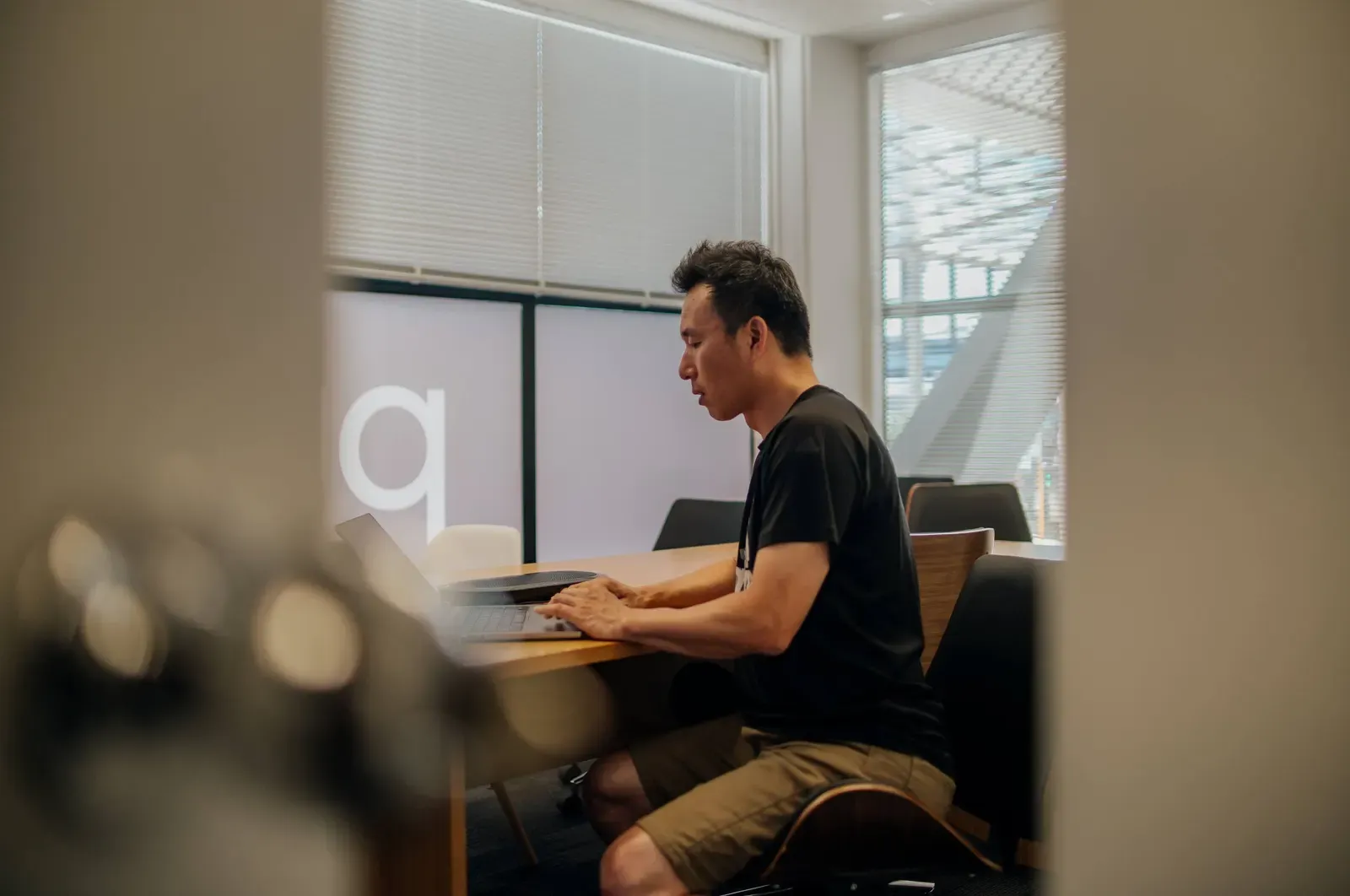
A Putti developer at work on a laptop in the Takapuna meeting room

Putti combines experienced human developers with the productivity of AI. This isn't vibe coding. The result is enterprise-grade software suited to mission-critical, scalable and security-conscious use.

Quality AI-assisted development isn't as fast as cutting corners, but it still reduces the total cost of designing and building custom software. That's what moves a replacement from too expensive to worth pricing. If you're paying more each year for a subscription that was never built for you, book a free discovery call and we'll put the two columns side by side. If what you need is new software rather than a replacement, see web applications.

Why Putti

  • Experienced

    Delivering custom software since 2010, with 100+ projects behind us.

  • Broad

    Full-stack web, middleware, AI and mobile under one roof, so one team does the whole replacement.

  • Committed

    Easy to work with, and here for the long haul. The people who build it support it.

Let's talk outcomes

Get out of a subscription that was never built for you, and into software that is.

Book a free discovery call →
100+
projects delivered since 2010
16+
years building custom software

More rescue services: Project Rescue Legacy Support Vibe-coded Handover

Frequently asked questions

  • How do I know if it's time to replace our SaaS platform rather than renew it?

    Look for three signs. Your team keeps bending its process to fit the tool, the price has stopped matching the value, and the vendor's roadmap no longer heads where your business is going. One sign is worth watching. Two or three, especially with a renewal coming up, means it's time to price the alternative properly. The three signals in detail.

  • How long does a custom replacement take?

    It depends on how much you replace. A focused first release, such as a portal or a single module, typically ships in 8 to 16 weeks. A full replacement takes longer and moves in stages, with the new system running alongside the old one. We start by understanding what you use today and reflecting back the options, so the timeline is set by scope. How we estimate timelines.

  • How much will it cost compared with what we pay now?

    It depends on what you're replacing and how much of it. You pay a one-off build cost, then stop paying per-user licence fees that climb as your team grows. Hosting and support carry on, sized to the system. A discovery call is the quickest way to get a realistic comparison against your next renewal, line by line. What custom software costs.

  • Do we have to replace the whole system at once?

    No. If your core system is large and complicated, it's often better to start with a custom layer for the part that hurts, such as a customer portal or an operations tool. You keep the rest of the platform running and migrate further only if the numbers justify it. Plenty of businesses stop after the first step, and that's fine.

  • Which kinds of software are worth replacing?

    Mostly the narrower, specialised tools: industry-specific platforms, ageing CRMs and ERP modules, spreadsheet and Access systems, and apps built on low-code platforms such as OutSystems. We wouldn't suggest rebuilding something like Xero or Microsoft 365. For everyday SaaS, paying the subscription is still the right call in most cases.

  • Can we test the idea before committing to a full build?

    Yes. A proof of concept is the cheapest way to see what a replacement would deliver before you commit. It puts working software in front of your team, built around one real workflow, so the decision to go further rests on something they've used rather than a slide deck or a vendor comparison.

  • Will we own the software?

    Yes. It's built around your business and it's yours, so you're not exposed to vendor price rises or a roadmap you don't control. Get ownership, source-code access and hosting written into the agreement before the build starts. It's the same advice we'd give about any software supplier, and it costs nothing to settle early.

  • Who maintains it after launch?

    That's your choice. We offer ongoing support and updates as a long-term arrangement sized to the system, or you can take it in house with your own team. Either way, the system is documented as it's built, so whoever looks after it next isn't starting from guesswork or depending on one person's memory.

  • Is custom software secure?

    It can be more secure than SaaS you don't control, because you decide where it's hosted and who has access. We build in access controls, audit trails and regular dependency updates from the start, rather than bolting them on later. If your industry has specific compliance requirements, they go into the scope on day one.

  • We're locked into a contract. What do we do?

    Start before the renewal date, not after. We scope and build the replacement while your current system keeps running, then switch over when your contract ends. Starting six or more months out leaves room to test properly and avoids signing another full term just because the replacement wasn't ready in time.

  • What happens to our data and existing integrations?

    We plan data migration and integrations as part of scoping, not as an afterthought at the end. Where it makes sense, the new software runs alongside your existing system first, so you can compare results before anything is switched off. Nothing is replaced overnight, and nothing is lost in the move.