

Rescue or take over
From vibe-coded prototype to production
From AI-generated prototype to production you can trust
You did the fast part
From AI-generated prototype to production you can trust.
AI coding tools are brilliant for getting an idea working fast. But a prototype that just works is a long way from software you can safely put in front of customers. We keep the speed you gained and add the engineering rigour you need.
Book a discovery call →
What we fix
Vibe coding gets you to a demo fast, then stalls on security, scalability and integrations. We audit what you've built, keep what's good, and engineer the rest.
-
Security & data handling
The risks prototypes almost always skip, closed off properly before real users arrive.
-
Architecture & maintainability
Restructured so the app can grow without collapsing under its own weight.
-
Testing & deployment
Reliability, infrastructure and deployment done properly for production.

When to call Putti
We listen first, then get to work. Get in touch when:
- AI tools got you a promising demo, then you hit a wall.
- You're not sure the prototype is secure enough for customers.
- It works for one user but won’t scale to many.
- You need real integrations, infrastructure and deployment.
Other people's code, reviewed and made production-ready
None of these started life as vibe-coded apps, but the work was the same: review what's there, then fix it, finish it or rebuild it so real users can rely on it.
Fintech
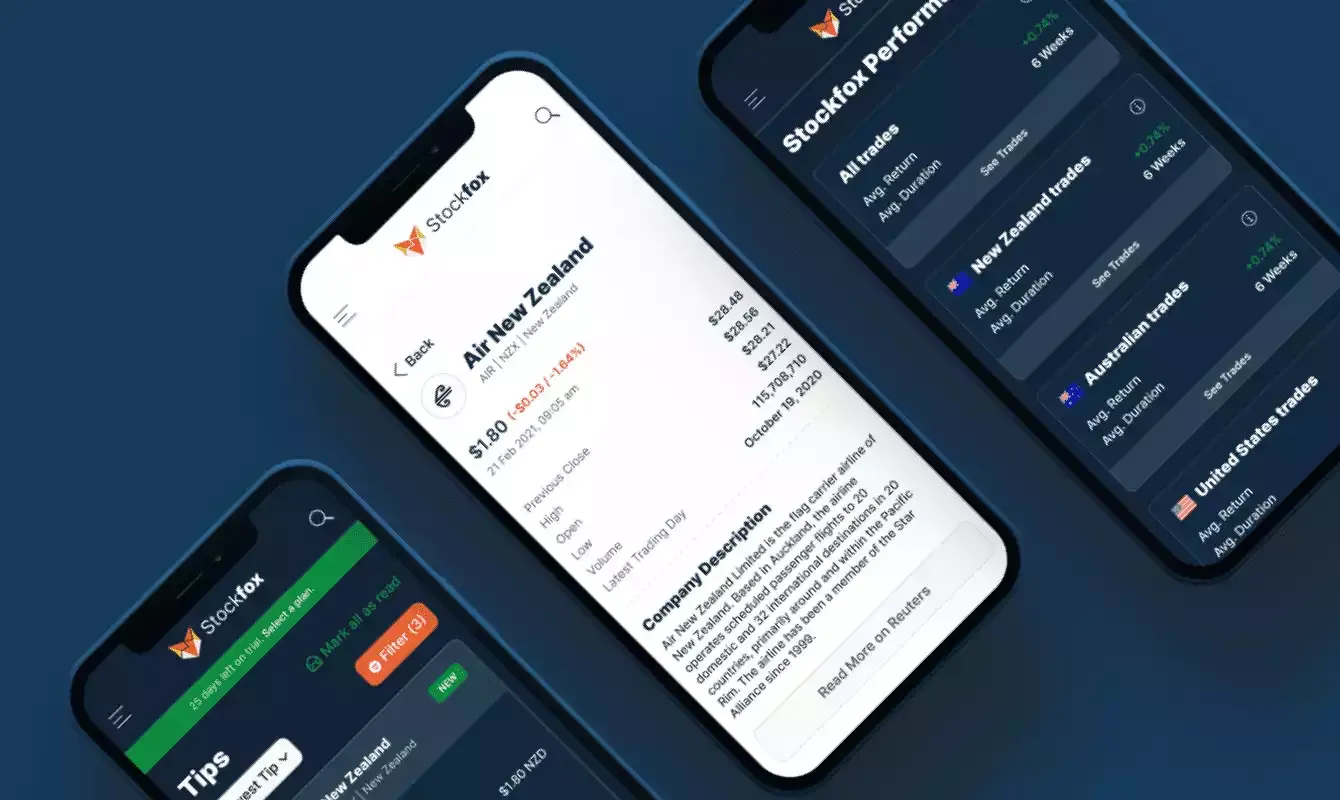
Stockfox
A fintech investment platform rebuilt from the ground up, delivering opportunity-driven stock market guidance across NZ, Australian, and US markets with a mobile-first design.
View project →
Deep Tech
Flowdeck
A modern web application with fully automated cloud infrastructure for Flowdeck's computational fluid dynamics simulations, replacing manual AWS management and a rudimentary interface.
View project →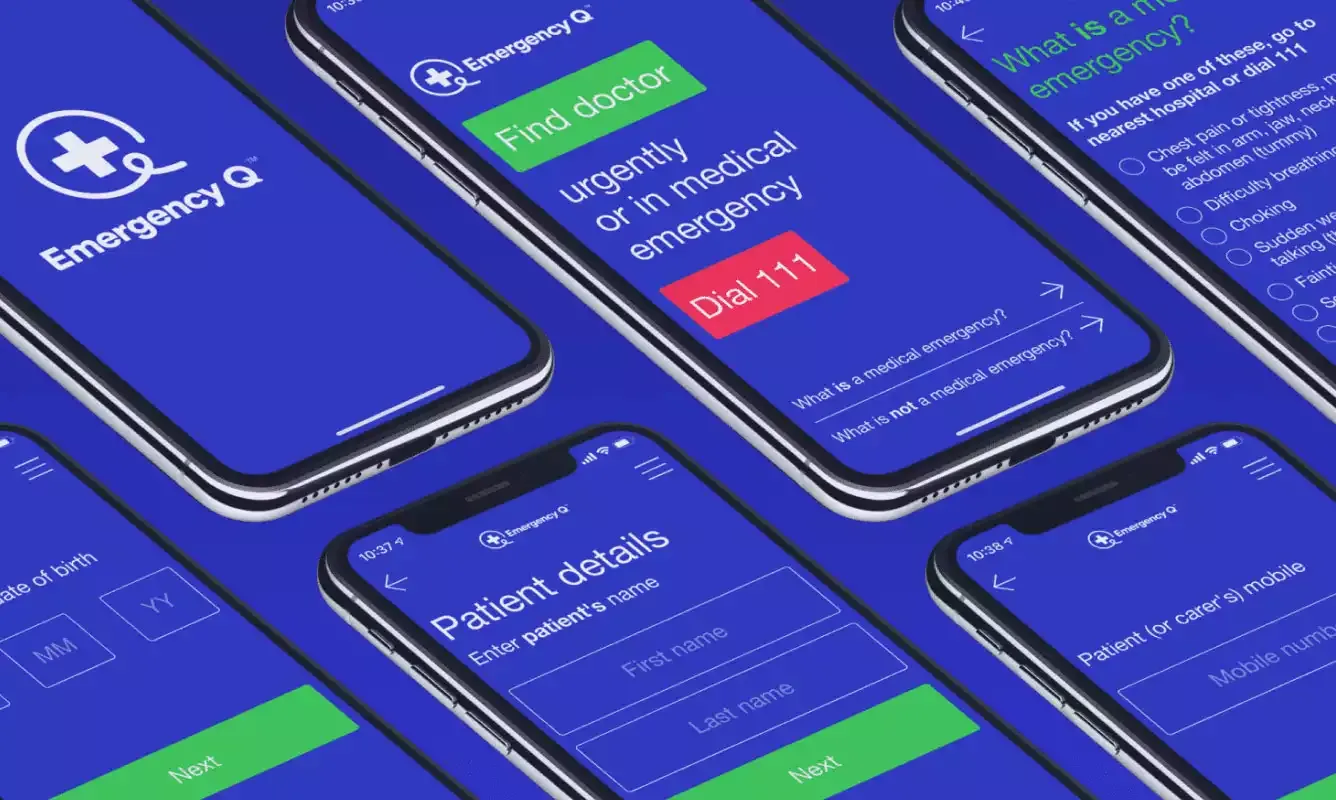
Public Safety
Emergency Q
Code review and consultation for an award-winning emergency-department queuing platform, resolving critical user ID and location-services issues with minimal user impact.
View project →Why Putti
-
AI-native
Professional AI-assisted development: automation combined with human expertise.
-
Production-grade
Security, testing and infrastructure engineered to hold up under real usage.
-
Honest
A clear, honest plan to production: you did the fast part, we do the hard part.
We'll do the hard part
You did the fast part with AI. We make it secure, maintainable and ready for real users: a clear path from demo to launch.
Book a free discovery call →- 100+
- projects delivered since 2010
- Zero
- project failures
More rescue services: Project Rescue Legacy Support SaaS Replacement
Frequently asked questions
-
How much does it cost to make a vibe-coded app production-ready?
It depends on how much of the prototype survives an honest audit, not on which AI tool built it. When the core is sound, hardening it usually costs a fraction of a rebuild. For comparison, a New Zealand MVP built properly from scratch starts in the low tens of thousands of dollars. Putti audits first, then quotes the fix. Rescue vs rebuild costs.
-
How long does it take to get a vibe-coded app ready for real users?
Most rescues Putti takes on run 4 to 12 weeks, depending on scope. It starts with an audit of what the app does, what's missing and what's unsafe. Authentication, data validation and secrets handling get fixed first, because they're what hurts real users. New features wait until the foundation can carry them. The full path to production.
-
Should I fix my vibe-coded app or rebuild it?
Fix it when the core works and the data model holds up. Rebuild when an audit shows the foundations can't carry real users. That's what happened with Stockfox: we reviewed their MVP and recommended rebuilding it on more scalable technology. Either way, you keep the product decisions you've already tested, and you get a straight recommendation before the build starts. Get a straight recommendation.
-
How do I take a vibe-coded app to production?
A prototype built with Cursor, Bolt or Lovable usually needs security, architecture, testing and real infrastructure before users touch it. Start with an audit of what it does and what's missing, then harden it in priority order: risks to users and data first, the things that stop it scaling next, new features last.
-
What usually breaks first in an AI-generated codebase?
Authentication and authorisation, data validation, secrets handling, and anything that assumed a single user. Those are the first four things we check. AI tools write code that works in a demo with one tester, so the gaps only show once real people and real data arrive.
-
Can we keep building with AI tools after the handover?
Yes. Putti uses AI-assisted development too, with human code review, automated tests and security checks around it. After the handover you keep the speed that got you to a demo, and you gain a codebase a person can read, change and trust when something breaks.