


Building a successful digital product means solving a real problem for a defined audience, then executing with disciplined scoping, integrated design and development, and a commitment to continuous improvement. The steps below distill Putti's approach after 16+ years building digital products in New Zealand.
Step 1: Start With the Problem
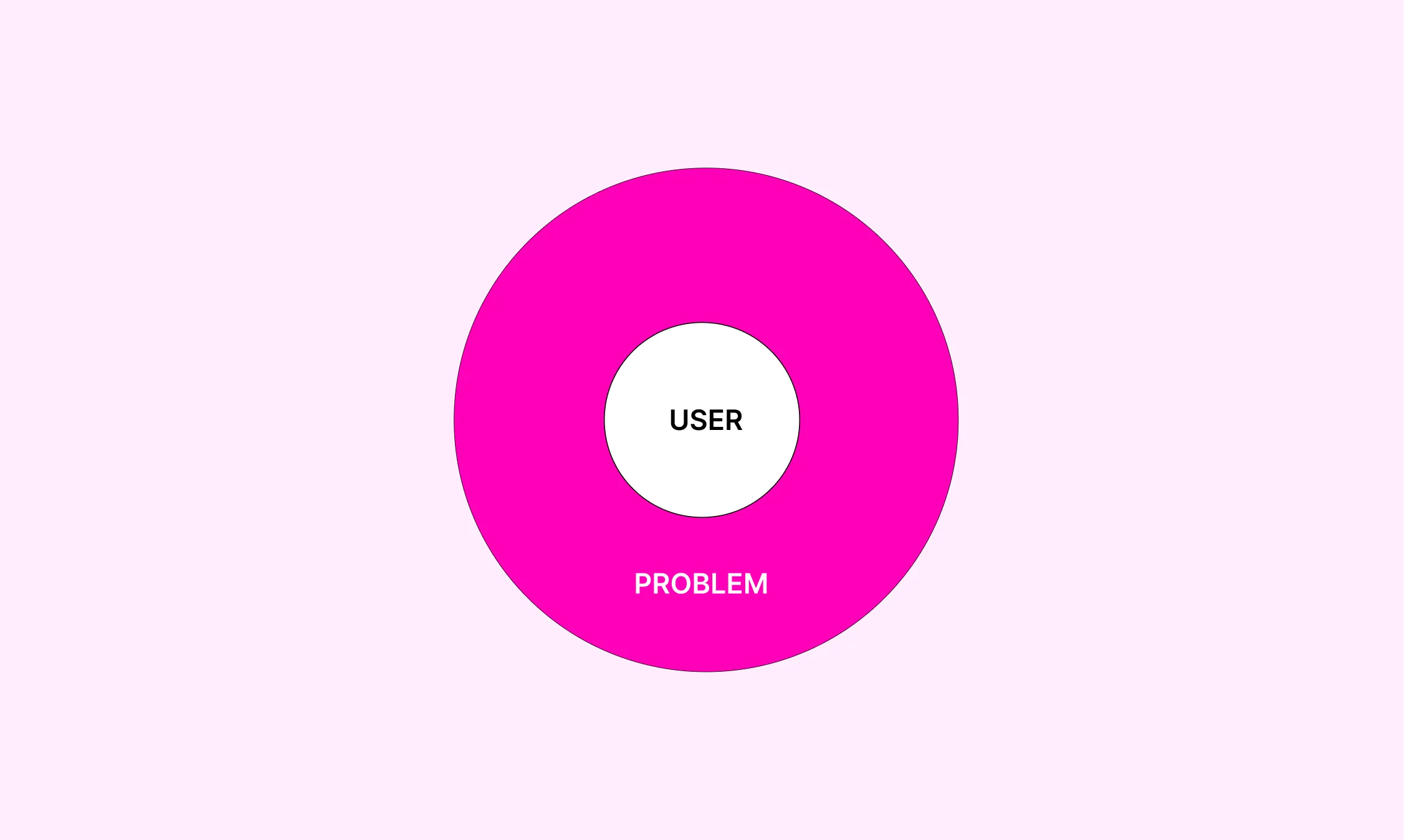
Successful digital products address genuine user challenges. Before designing or developing anything, understand your audience and their pain points by asking:
- Who is your target user?
- What problem are they facing?
- Why hasn't this problem been solved yet, or how can you do it better?
Research, validate your assumptions, and confirm that your product tackles a problem worth solving before committing resources.
Step 2: Define Your Product Vision and Scope Your MVP
Once you have identified the problem, define your product vision and plan your Minimum Viable Product (MVP).
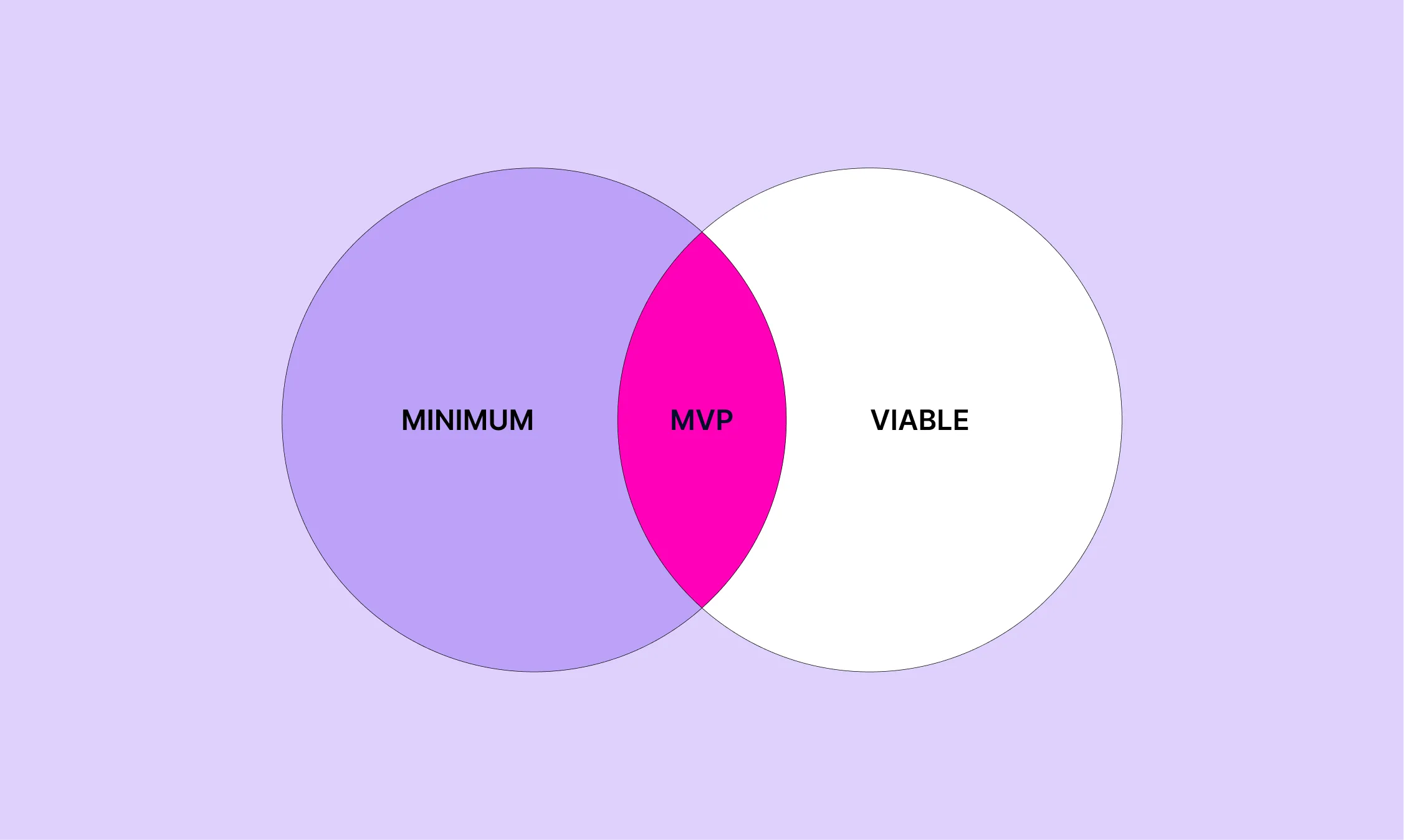
Why Starting Small Is the Key to Success
A common pitfall is attempting too much at once. Instead of planning every conceivable feature, focus on the core set required to solve the problem effectively.
Benefits of scoping an MVP:
- Speed to market: Launch faster and outpace competitors.
- Cost efficiency: Avoid over-investing in features that may not resonate with users.
- User-driven evolution: Let real feedback shape future priorities.
- Risk reduction: Test your concept before committing to a full-scale build.
Step 3: Design and User Experience First
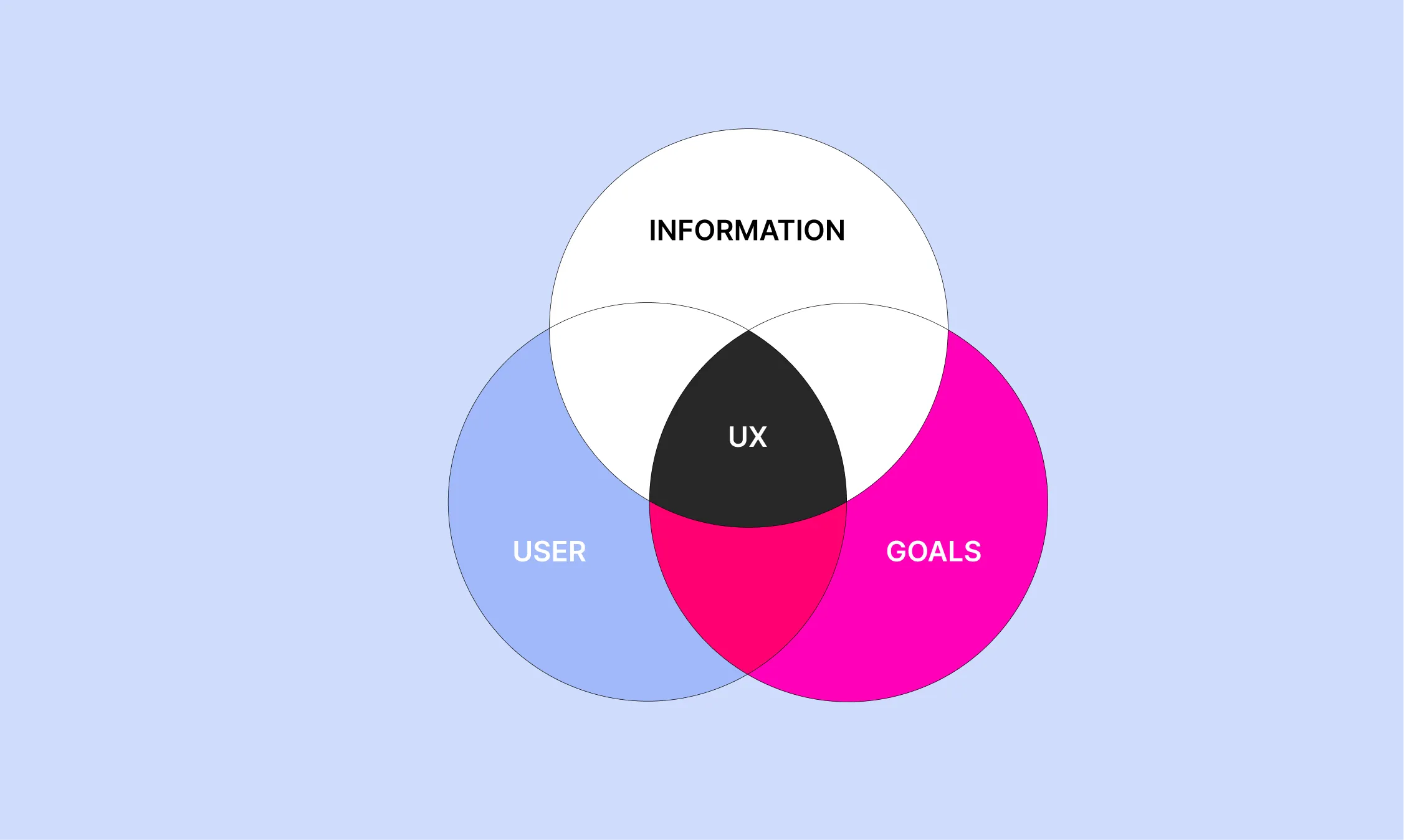
Design and UX are the foundation of exceptional digital products. A product must work intuitively, look the part, and never make someone stop and think about how to use it.
Why Aligning Design and Development Matters
The most successful projects keep design and development closely integrated. When these disciplines operate in silos, misaligned expectations, delays, and rework typically follow. Integrated collaboration produces:
- Realistic solutions: Designs that are user-friendly and technically achievable.
- Faster iterations: Quick feedback loops to refine ideas before they become expensive to change.
- A unified vision: A cohesive product that balances usability and functionality.
Step 4: Develop Your Product With the Right Partner
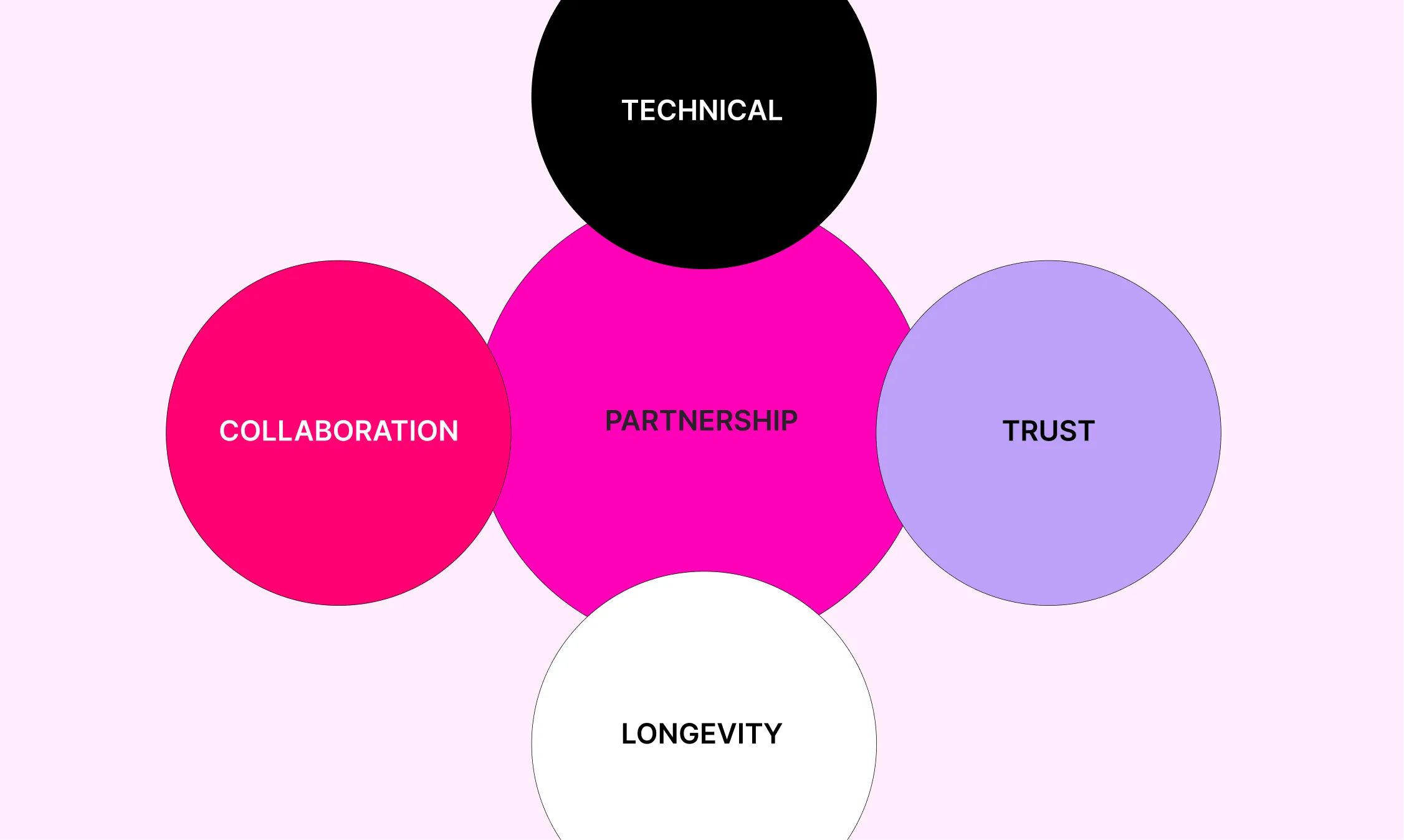
Development transforms your vision into reality, and the partner you choose has an outsized impact on outcomes. A strong development partner brings:
- Collaboration: Teams that treat the project as a genuine partnership, not a ticket queue.
- Technical excellence: Clean, efficient code, thorough testing, and scalable architecture.
- Transparency: Regular updates, clear timelines, and honest communication when obstacles arise.
- Focus on longevity: Solutions designed for long-term growth, not just launch day.
Step 5: Market and Launch Your Product
A successful launch requires preparation and strategic execution. Recommended approaches include:
- Build a pre-launch audience: Use social media, email marketing, or exclusive previews to generate interest before you ship.
- Act on early feedback: Early adopters provide the most valuable refinement insights.
- Create buzz: Publicity, influencer partnerships, or launch events boost initial visibility.
The launch marks only the beginning. Stay ready to adapt quickly based on how users actually interact with the product.
Step 6: Scale and Iterate
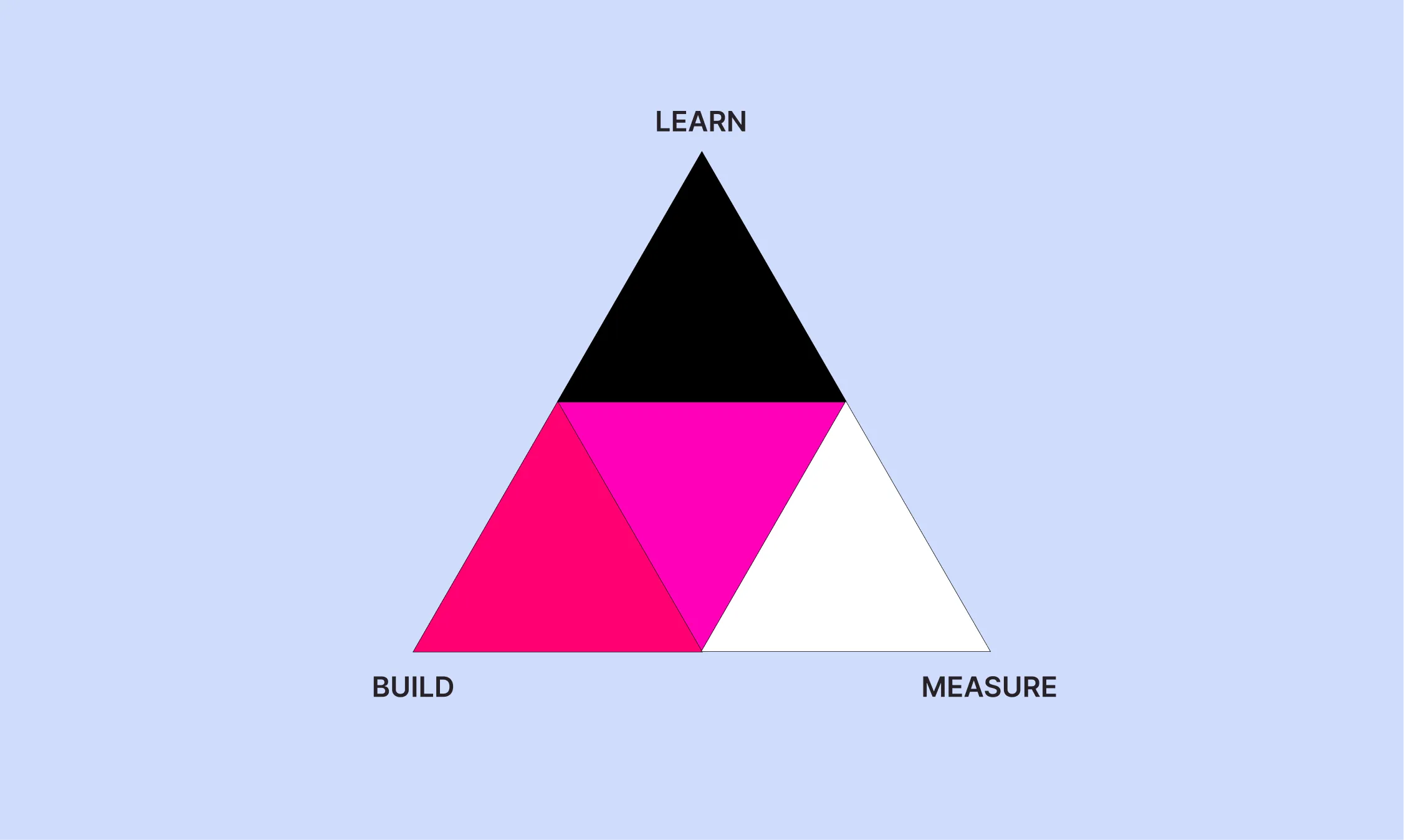
A successful launch initiates your product's ongoing journey, not its conclusion. Key principles for this phase:
- Let users guide you: Analytics and feedback should inform every prioritisation decision.
- Build for scalability: Ensure your infrastructure can handle a growing user base without requiring a costly rebuild.
- Never stop improving: Continuous iteration keeps your product relevant and competitive.
Conclusion: Lessons From Experience
Successful digital products combine vision, strategy, design, and disciplined execution. Every step, from MVP scoping to partner selection, matters. As Putti's experience consistently shows: products that succeed are built with careful planning, open collaboration, and an unwavering focus on solving real problems.