

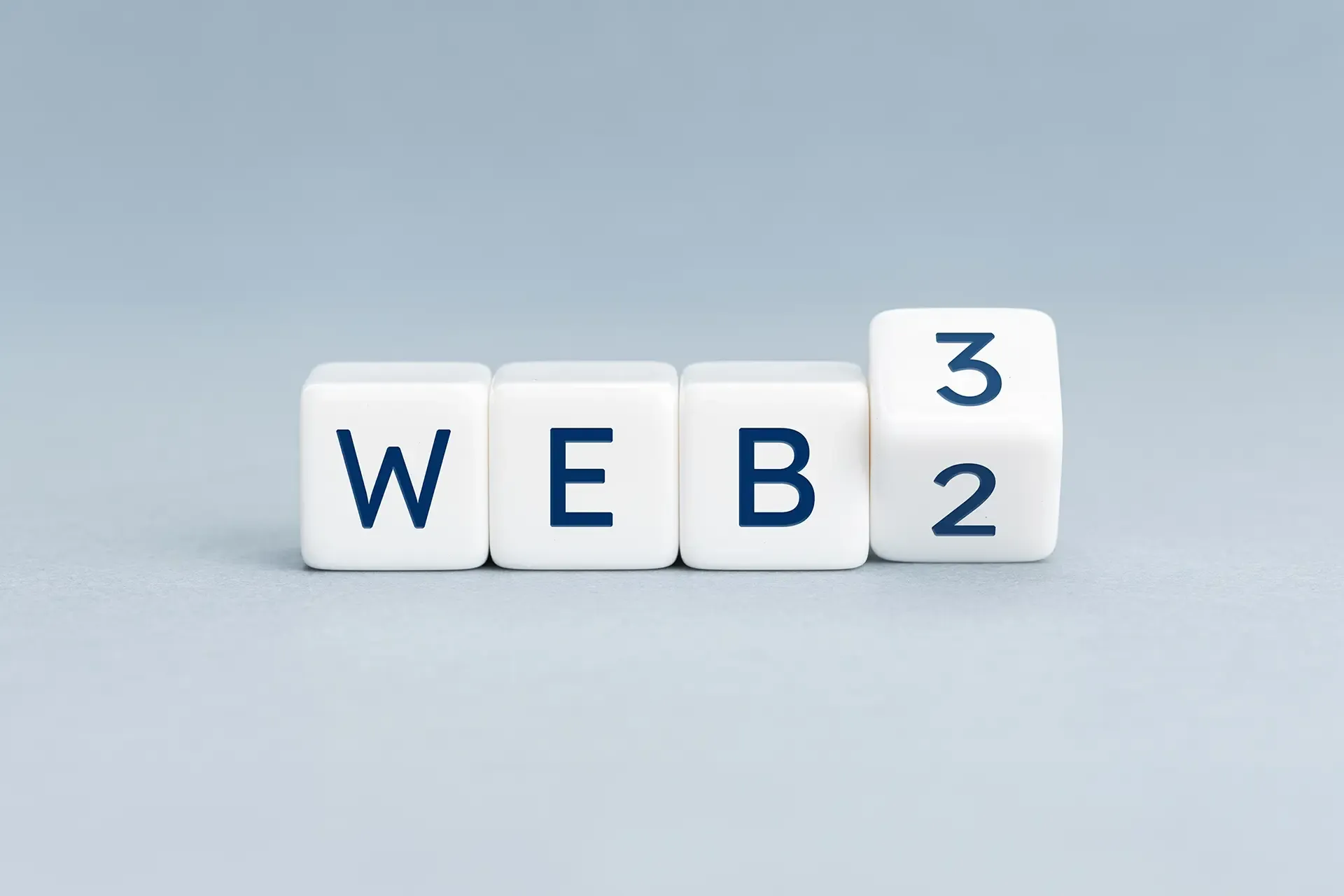
Web 3.0 is the next generation of the internet: a decentralised web built on blockchain technology and artificial intelligence that gives users direct control over their data and enables peer-to-peer interactions without relying on centralised intermediaries. Where Web 2.0 made users participants, Web 3.0 makes them owners.
How Did We Get Here? The Evolution from Web 1.0 to Web 3.0
To understand Web 3.0, it helps to look back at how the internet has evolved. Web 1.0 was the early static web; users could only read content, not create it. Web 2.0 changed this by enabling user-generated content through social media, blogs, and interactive platforms. But Web 2.0 still depends heavily on centralised intermediaries who control the platforms and the data on them.
Web 3.0 takes user participation further by introducing decentralised networks. It hands users more control over their data, removes the need for intermediaries, and enables peer-to-peer interactions. This next generation of the internet is built on the pillars of interoperability, decentralisation, and emerging technologies like blockchain and artificial intelligence.
What Are the Key Features of Web 3.0?
Web 3.0 incorporates several defining features that set it apart from its predecessors.
Decentralised Networks
In Web 1.0 and Web 2.0, centralised entities control data and mediate interactions. Web 3.0 promotes decentralised networks that operate without intermediaries, enabling direct peer-to-peer interactions that foster trust and transparency between users.
Smart Contracts
Smart contracts are self-executing agreements powered by blockchain technology. They automatically facilitate and enforce online transactions without requiring an intermediary, enabling secure, efficient, and transparent digital interactions.
Data Ownership and Control
Web 3.0 challenges the conventional model of data ownership. With decentralised systems, users have meaningful control over their own data, choosing how and when to share it, leading to greater privacy and security.
Blockchain Technology
Blockchain secures transactions and protects user identities in Web 3.0 through its decentralised, immutable ledger. It ensures transparency, trust, and data integrity, enabling secure peer-to-peer transactions without reliance on centralised authorities.
Semantic Search and Artificial Intelligence
Semantic search focuses on understanding the context and intent behind user queries, going beyond traditional keyword matching to return more accurate and relevant results. Artificial intelligence enhances this further by analysing user behaviour, preferences, and trends to create personalised, context-aware experiences.
What Opportunities and Challenges Does Web 3.0 Create for Businesses?
The shift to Web 3.0 presents genuine opportunities for businesses. Decentralised systems can improve security, reduce operational costs, and build greater user trust. Smart contracts can automate processes, streamline transactions, and increase efficiency. Semantic search and AI open new avenues for personalised marketing, customer service, and product recommendations.
However, the transition also brings challenges. Businesses must reassess data management practices, navigate changing regulations, and invest in new technologies and skill sets. Adopting a peer-to-peer model requires a genuine mindset shift and a willingness to embrace change.
How Can Businesses Prepare for the Web 3.0 Transition?
To prepare for Web 3.0, businesses should consider the following steps:
- Evaluate the impact of Web 3.0 on existing business processes and identify areas that require adaptation.
- Invest in blockchain technology and smart contract solutions to enable secure and efficient transactions.
- Enhance data management practices to give users greater control over their data.
- Educate employees about the key concepts and benefits of Web 3.0 to foster a culture of innovation and collaboration.
- Stay updated on emerging technologies and trends in Web 3.0 to identify new opportunities and competitive advantages.
- Study case studies of businesses that have successfully transitioned to Web 3.0 to gain insights and inspiration.
Which Companies Have Already Successfully Transitioned to Web 3.0?
Several companies demonstrate what Web 3.0 looks like in practice. Brave, a privacy-oriented web browser, uses blockchain technology to reward users for their attention and eliminate intrusive advertisements. Filecoin, a decentralised storage network, enables users to rent out unused hard drive space and earn cryptocurrency in return. Easy Crypto, a cryptocurrency exchange we worked with, simplified crypto transactions with a user-centric platform and achieved impressive growth milestones.
These examples demonstrate the potential of Web 3.0 to disrupt traditional business models and create new opportunities for value creation.
Web 3.0 represents the next phase of the internet, characterised by user control, decentralised networks, and the integration of emerging technologies. Businesses that embrace this paradigm shift can benefit from enhanced security, improved user experiences, and new opportunities for innovation. By understanding the key components and challenges of Web 3.0, businesses can prepare for a transition that actually pays off.