

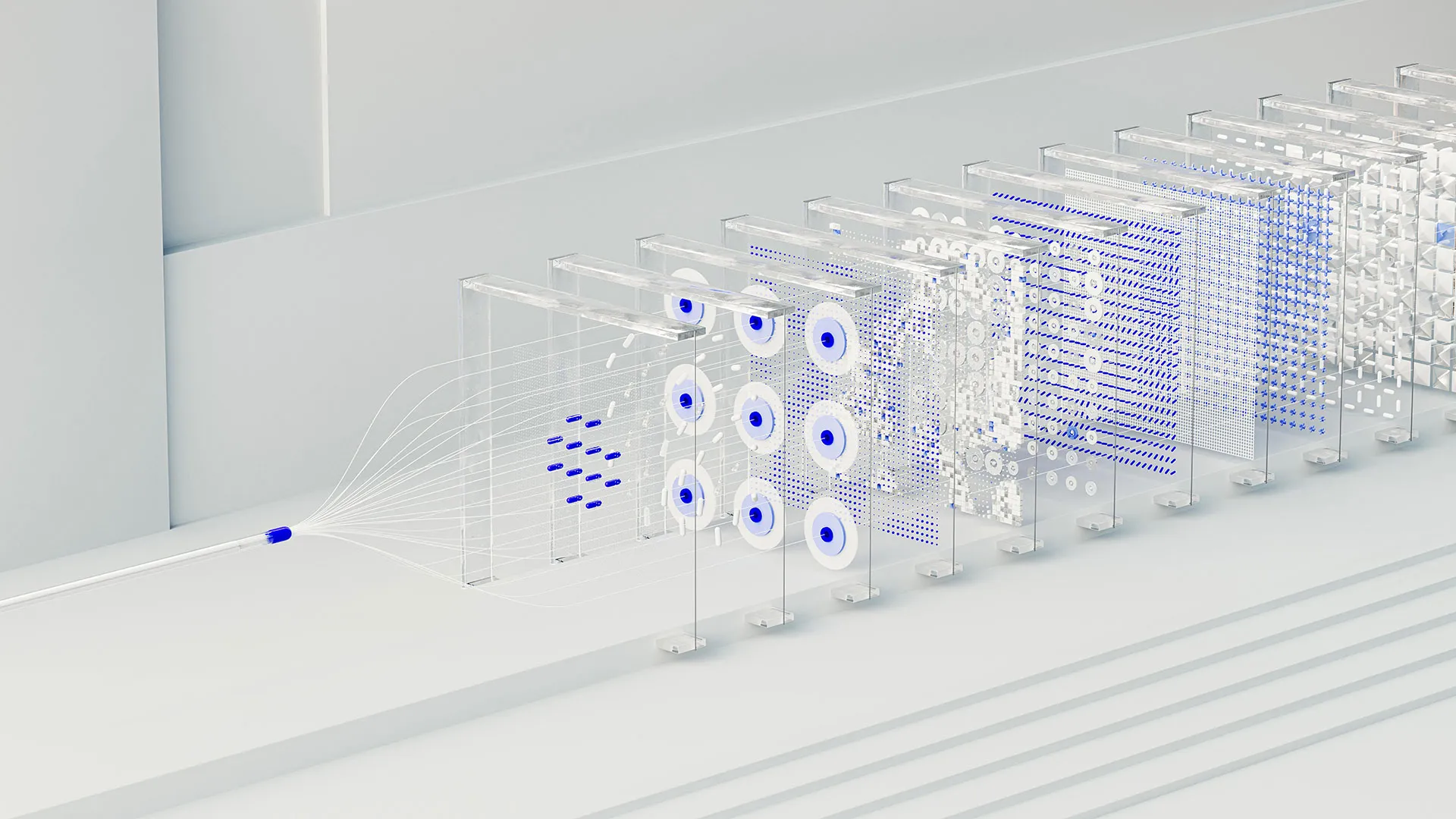
An integrated monitoring system is the clearest answer to scattered business data: it pulls every data stream (server performance, user behaviour, sales, operations) into one centralised dashboard so your team can see what is happening, catch problems before they escalate, and act on evidence rather than instinct.
Imagine a city where traffic lights malfunction, the water supply cuts out, and rubbish piles up on every corner. Chaos, right? That is exactly what happens to businesses when their data is scattered across different systems, making it impossible to see the big picture. Just like a city needs a central control system, businesses need an integrated monitoring system to track everything in one place.
Why Do Data Silos Cause So Much Trouble?
Traditionally, companies rely on separate monitoring tools for IT, marketing, finance, and operations. Picture searching through multiple dashboards to find a single figure: it is like trying to follow a film by watching random scenes across different channels. An integrated system eliminates these silos: everyone sees the same data, presented clearly and consistently, from a single command centre. This saves time, reduces frustration, and enables a proactive approach to problem-solving.
1. Can You Catch Problems Before They Cause Havoc?
Yes, and this is one of the biggest wins. Suppose a customer is about to buy a product on your website and it crashes because of a sudden surge in traffic. An integrated monitoring system with AI can spot these issues beforehand and trigger automatic remediation. No more scrambling to fix things after the damage is done.
2. How Much Money Can You Save by Ditching Data Silos?
Significant amounts. Many companies pay for maintaining separate monitoring tools for each department. Consolidating them into one system eliminates unnecessary subscriptions and software licences. The deeper saving, however, comes from optimising cloud usage. An integrated system identifies idle resources you are still paying for; think of it as finding ways to cut your electricity bill without sacrificing comfort. You can see which servers are underutilised and adjust your cloud allocation accordingly.

3. How Does Unified Data Lead to Smarter, Faster Decisions?
When everyone accesses the same data, collaboration improves and decision cycles shrink. Your team can see how system glitches affect customer behaviour, or how infrastructure changes impact sales figures, in real time.
Imagine a marketing campaign that drives a sudden surge in website traffic. An integrated system alerts the team immediately so they can scale resources before a crash occurs, or throttle the campaign if the infrastructure cannot keep up. This kind of real-time visibility is what turns data into a competitive advantage.
4. What Does This Mean for Your Cloud Resources?
Cloud storage is powerful but not magic. An integrated monitoring system helps you get the most out of it by highlighting underutilised servers and misallocated capacity. The result is a leaner, more cost-effective infrastructure without sacrificing reliability.
5. How Can You See How Users Actually Use Your Product?
Features like session replay, available within some integrated monitoring platforms, record a user's journey through your app: which buttons they click, where they hesitate, and where they abandon the process. This granular detail helps you identify pain points and make changes that improve usability and satisfaction. It is like having a team of observers constantly providing feedback on your product.

Keeping the Lights On
Just like a city needs a central control system to function smoothly, businesses need an integrated monitoring system to keep things running. A centralised dashboard that monitors everything from server performance to user activity allows businesses to make data-driven decisions and deliver exceptional customer service.
As businesses generate more data, integrated monitoring will become an essential capability rather than a nice-to-have. These systems provide a unified view of your operations, helping you identify problems early, make smarter decisions faster, and achieve your business goals. Do not let your data become disorganised. Invest in integrated monitoring and take control of your business's future.
Want to explore how an integrated data system could work for your business? Visit our systems integration service.