


To choose a software development company in New Zealand, check five things: similar work, how they scope and price, who owns the code, how often they ship, and what happens after launch. Ask three companies the same questions in writing, then test your favourite with a small paid proof of concept. That's how Putti, an Auckland studio, would pick.
That's the short version. Here's the longer one, written from our side of the table. At Putti, a good share of our work starts when a project has already gone wrong somewhere else, so we've seen what a bad hire costs.
What should you check before hiring a software development company?
Five things, in this order:
- Similar work. Ask for projects close to yours in size and type. A team that has built scheduling or workflow software before will move faster on yours than one learning the domain on your budget. Also ask what went wrong on a past job and how they fixed it. The answer tells you more than the case study does.
- How they scope and price. Good teams scope the first release with you, then fix a price for that scope. Be wary of a firm quote for the whole product after a ten-minute call. That's a guess.
- Who owns the code. You should. Confirm that in the contract, and check who holds the cloud accounts and repositories.
- How they ship. You should see working software every week or two. If the first demo is four months away, walk.
- What happens after launch. Ask who fixes bugs, what support costs and how handover works if you part ways.
How long does a custom software project take?
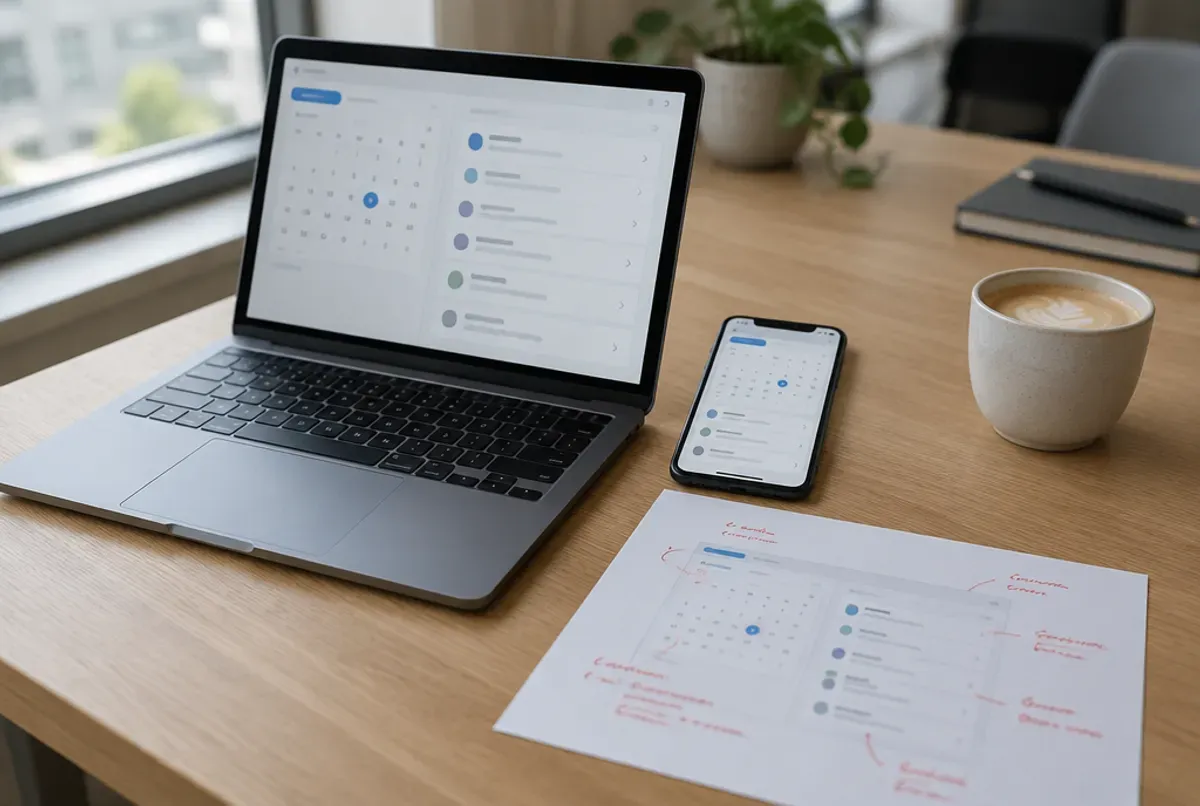
It depends on scope, but these are the ranges we typically see for New Zealand projects:
| Project type | Typical timeframe |
|---|---|
| Proof of concept | 2 to 4 weeks |
| MVP (first usable release) | 8 to 16 weeks |
| Larger platform or system replacement | 4 to 12 months |
If a proposal sits far outside these ranges, ask why.
Does AI make custom software cheaper and faster?
It can, if the team knows how to use it. We've used AI in our own development work since 2023, which has given us time to see where it helps and where it doesn't. It's one reason our build time and cost have kept coming down.
The gains come from the repetitive work: boilerplate code, test scaffolding, documentation and first-pass reviews. Design decisions, architecture and security still need experienced people, and every line gets human review before it ships. So when you compare quotes, ask each company how they use AI in delivery and how that shows up in the estimate. A team that can't answer clearly probably isn't using it well, or at all.
Write the brief before you talk to anyone
A one-page brief saves everyone time. Cover the problem in two sentences, who will use the product, your budget range, when you need it live and which systems it has to connect to (accounting, CRM, field service tools). Send the same brief to every company you talk to. That's the only way to compare their answers fairly.
Which questions should you ask before you sign?
- Who will actually work on my project, and will it be the same people throughout?
- How do you estimate, and what happens if the estimate is wrong?
- Can I speak to two recent clients with a similar project?
- What do you need from me each week to keep things moving?
- Where is my data stored, and how do you handle personal information under the Privacy Act 2020?
- What happens to the code and infrastructure if we end the relationship?
For the full call checklist, see how to vet a software or AI developer before you hire them.
What are the red flags?
Vague answers about who does the work. Pressure to sign this week for a discount. No written scope. Reluctance to share references. And a team that says yes to every idea you have. A good partner pushes back, because that's how you avoid expensive mistakes.
Is a local software team worth it?
For most mid-sized New Zealand businesses, yes. You usually need someone to extend your internal IT team, not a vendor that disappears after launch. A local studio can run workshops in person, understands local compliance and answers the phone in your time zone. Remote teams can work well too, as long as the communication is solid. Whoever you pick, get one accountable contact who talks plainly and doesn't hide behind jargon.
Do you actually need custom software?
Sometimes the honest answer is no. If an off-the-shelf SaaS tool covers 90 percent of what you need, buy it. Custom software starts to make sense when your process is a real advantage, when subscriptions keep multiplying, or when you're bending your business around a tool that doesn't fit. A good partner will tell you which case you're in, even if it means a smaller job for them. If it's the last one, here's how replacing legacy SaaS with custom software works.
What if you already have a stalled project or an AI-built prototype?
More businesses now show up with a half-finished build, or a prototype made with AI coding tools. Those are useful starting points, but they're rarely ready for real users, real data or real security requirements. Ask any partner whether they take over existing code, how they review it, and whether they'd repair, rebuild or re-platform. A code review before the quote is a good sign. It's how we started with Emergency Q, where a review found the user ID and location issues before anything else was touched, and how Stockfox ended up with a platform rebuilt from the ground up rather than patched.
A simple way to run your selection
Shortlist three to five companies. For a New Zealand project, start with referrals from other local businesses and look at each company's own case studies. If you're open to working with a team overseas, a global directory can widen the pool. This list of the Top Software Development Companies is worth a look for that, though it isn't focused on New Zealand, so treat it as a starting point rather than a recommendation. Send everyone the same brief. Compare proposals on how well they understood your problem, not just on price. Talk to the people who'd do the work, and call the references.
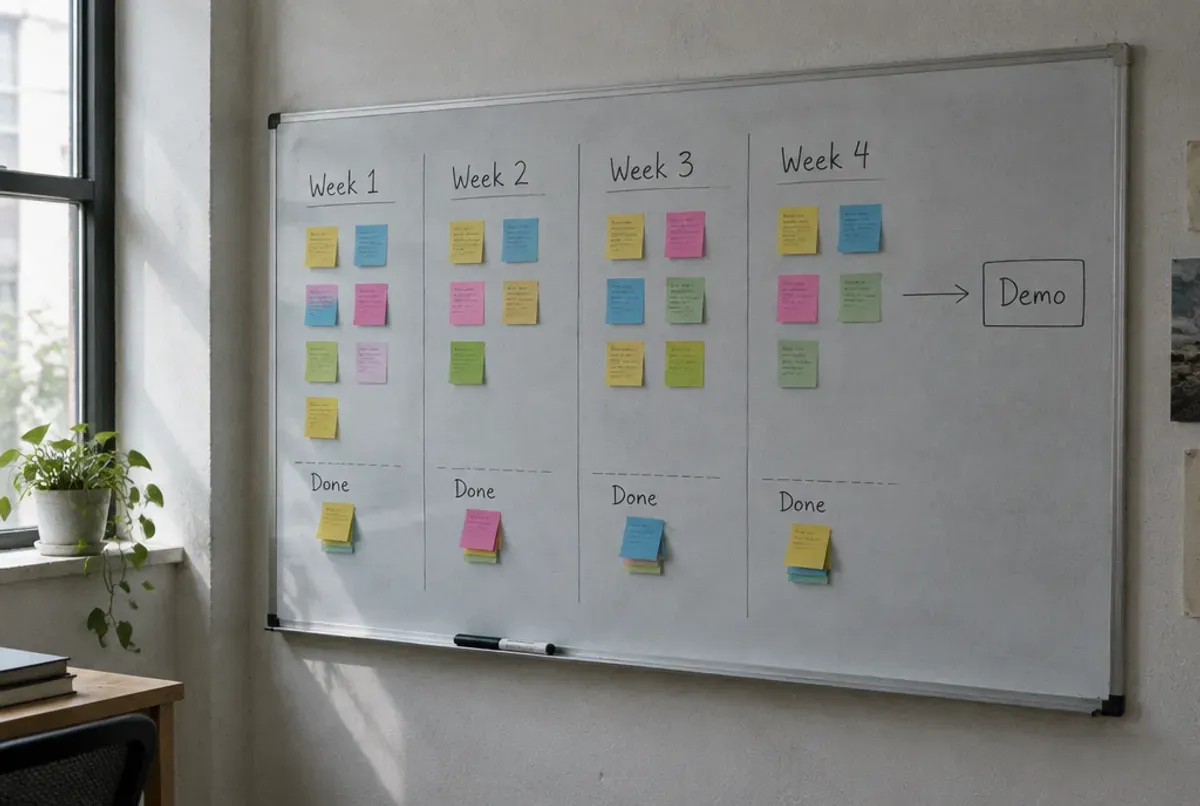
Then run a proof of concept. Two to four weeks of focused work is the cheapest way to learn how a team really behaves before you commit to a full build.
Talk to us
Putti is an Auckland-based software studio. We've built custom web apps, mobile apps and AI agents since 2010, delivering 100+ projects for clients including Spark, Hilton and Fletcher Building, and we've used AI in our development process since 2023. If you're weighing up a project, we offer a free, no-obligation estimate, or see how our custom software developers in Auckland work.