
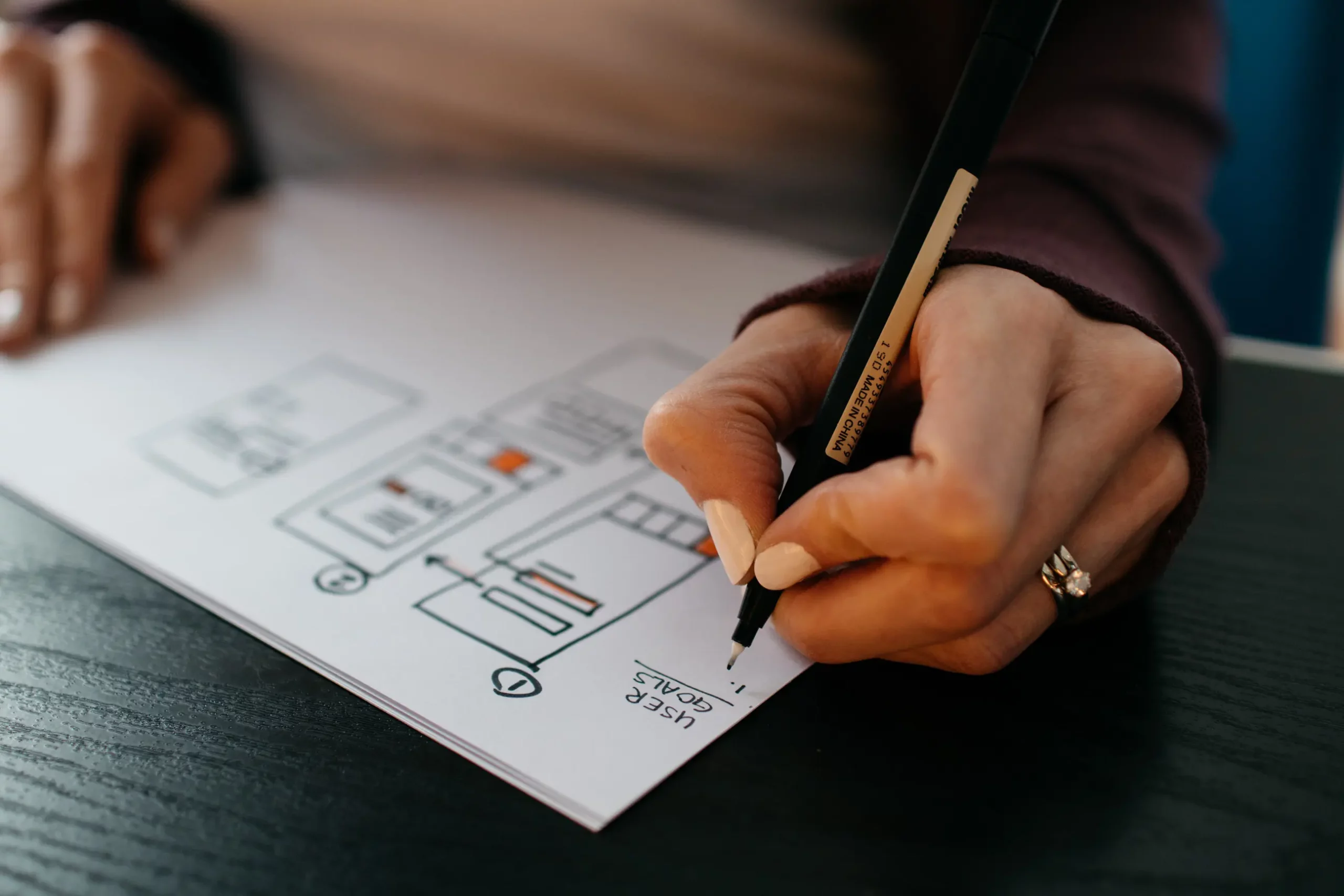
UX and UI Design are vital to your brand’s health and the perception of your company’s online presence. Your website is a digital portfolio of your business that tells more about your company’s values and views and your products or services. But did you know a captivating website design contributes to 75% of your website credibility? That’s why it’s crucial to have at least a basic understanding of UX and UI design.
With the development of new technology, more and more people are getting involved in the design and working in tandem to ensure their website drives their business goals. So First thing first: What do UX and UI mean?
UX & UI:
UX stands for User Experience: This area of design is used for developing, researching, and improving all significant aspects of user interaction with a company’s product, system, and services to satisfy its users. The primary objective of UX design is to improve the user’s experience with the product through test results. As well as represent the product in attractive and useful ways to obtain user attention. UX design contributes to a company product that provides an effective user experience. However, it includes various disciplines, such as design interaction, visual design, usability, and many more.
UI stands for the User Interface: A user interface is the point of interaction between the user and a digital device or product like the touchscreen on your smartphone. in simple words, a user interface is your product’s visual appearance. UI designers decide how to visually design the product by carefully considering every interactive visual element the user might encounter. In short, A good UI design assists you to attract more users and ensures a decent product experience.
The essential UI design elements include content such as documents, text, images, videos—the forms including important tags, buttons, text fields, checkboxes, drop-down lists, and graphic designs. Also include behaviors like what will happen when the user clicks/drags/enters the product. To do that, you must require qualified UI designers with a good sense of aesthetics and technical skill. Because a compelling and beautiful user interface automatically elicits an emotional response from the user.
Key Insights:
UI design and UX design always overlap over time, but are you fully aware of their significant differences? For instance, a UI without UX is like a painter slapping paint onto a canvas without a thought. In contrast, UX without UI is like the frame of a sculpture with no paper maché on it. No doubt, they have a close relationship in product design but serve different roles, such as in terms of functionality. UI design means how things look, while UX design tells how things work. Further, UX is a process while UI is a deliverable.
These are the following apparent differences between UI design and UX design resulting in different roles.
- Different focus
The primary difference between UI and UX designers is that they have a different use for prototyping. UI designers think a prototype should be a hi-fi model, while UX designers care more about logic. In simple words, when you’re going to meet your customers, you will show them your design made by the UI designer. Similarly, when you’re going to meet the programmers, you must take the UX designer’s prototype. - Color combination
UI designers prefer full color to design the prototypes. In contrast, UX designers generally use only three colors in prototype design: black, white, and gray. - Tools they use
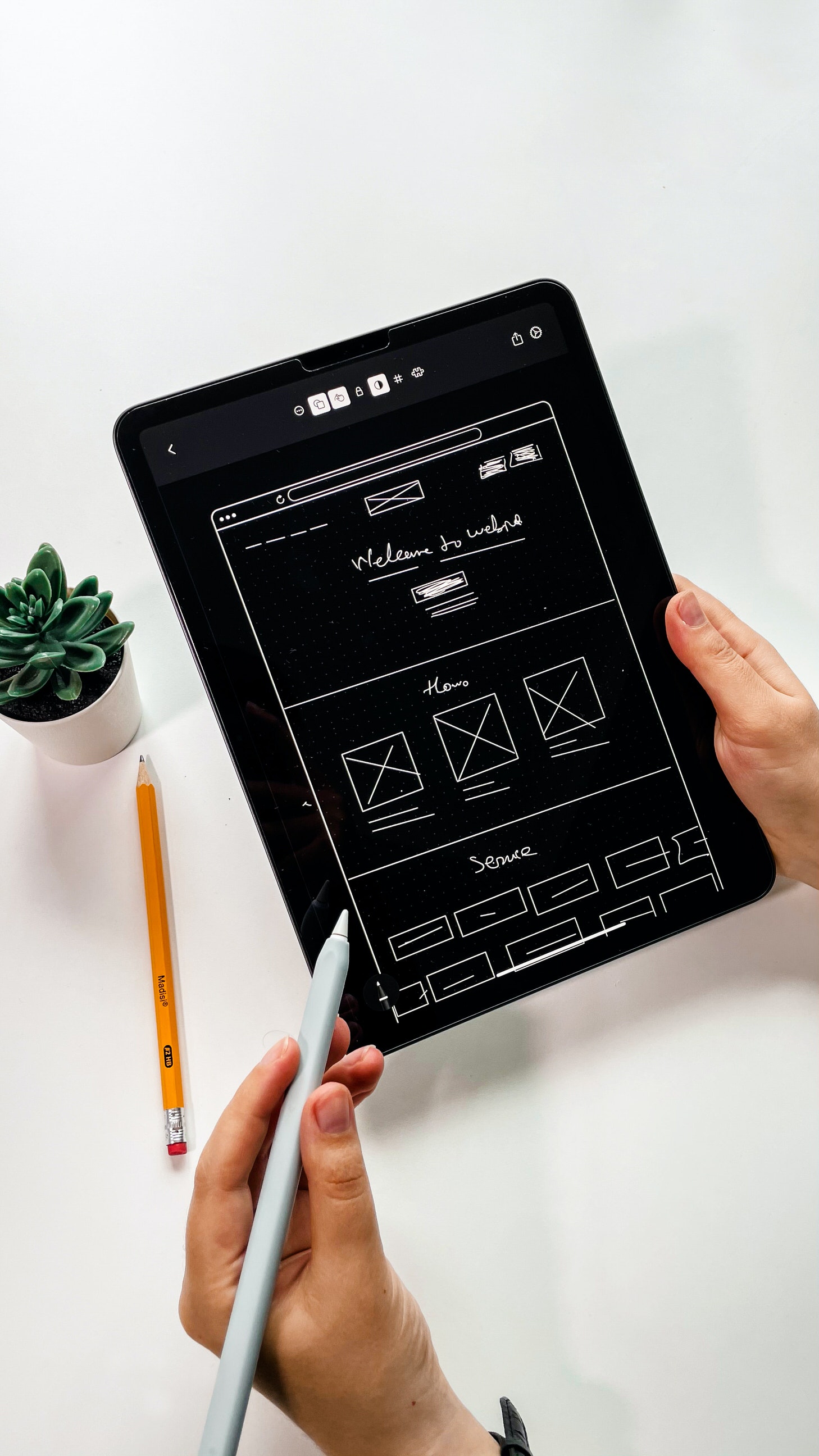
Since there are so many differences between UI and UX designers, their tools must be different. The primary focus of UI designers is designing images, sketches, and layout. Hence, tools like Flinto, Principle, and InVision are the best option you got. On the other hand, UX designers will favor a wireframe as it saves a lot of time and makes designing more efficient.
Final Words:
Hopefully, by now, you understand the fundamental difference between UI and UX design. Yes, UI and UX design sometimes overlap, but they are entirely different things. UX design is more analytical, while UI design is much more focused on visuals.
Ending the post with one of our favorite quotes about design:
“Design is not just what it looks like and feels like. Design is how it works.”
– Steve Jobs
Frequently Asked Questions: UX and UI Design Fundamentals
What is UX design?
UX (User Experience) design is the process of creating digital products that are easy, intuitive, and satisfying to use. UX designers research user needs, map user journeys, create wireframes and prototypes, and test designs with real users before development begins. Good UX design ensures the product works the way users expect and accomplishes their goals with minimal friction.
What is UI design?
UI (User Interface) design is the process of creating the visual elements of a digital product — the layout, typography, colours, buttons, icons, and visual hierarchy. UI designers make products visually appealing and consistent while supporting the user experience goals defined by UX research. Good UI design builds trust, communicates brand identity, and guides users toward desired actions.
Why are UX and UI different disciplines?
UX and UI are related but distinct. UX focuses on “how does this work” — the logic, flow, and ease of use. UI focuses on “how does this look” — the visual presentation. A product can have beautiful UI but terrible UX (looks great, impossible to use), or excellent UX with poor UI (easy to use but looks unprofessional). The best products have both working in harmony.
How does Putti approach UX and UI design in New Zealand?
Putti’s design process starts with understanding users and business goals before touching visual design. They conduct user research, define information architecture, build wireframes, test with users, and then apply visual design. Because Putti’s design and development teams work together, designs are always buildable and tested before development begins.